Behind the Scenes: Designing Our Scariest Room Yet
Take a sneak peek into the creative process, set design, and storytelling behind our most challenging escape experience.
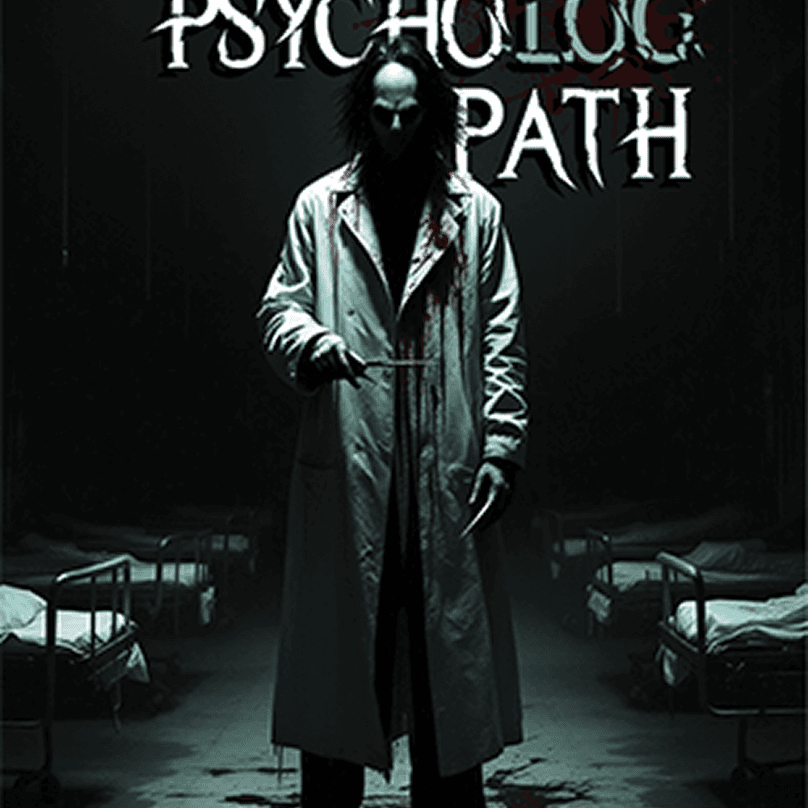
Psycholog Path took eleven months, four full rebuilds, and one very uncomfortable conversation about whether we had gone too far. Take a sneak peek into the creative process, set design, and storytelling behind our most challenging escape experience.
Here is how a room gets built, and why almost everything in it exists to control one thing: what you believe is about to happen.
It Starts With a Feeling, Not a Puzzle
Every room we have designed began with a single sentence describing how the last ten minutes should feel. For Psycholog Path it was: the person helping you is the reason you are here.
Puzzles came months later. If you start from mechanics you end up with a very clever room that nobody remembers. If you start from the feeling, every lock you design afterwards has a job beyond being solved.
Fear Lives in the Gaps
The instinct is to fill a horror set with detail. We did that in the first build, and testers laughed. Too much information gives the brain something to process, and a processing brain is not a frightened one.
So we took things out. The corridor lost two thirds of its props. Lighting dropped until you can see roughly a metre and a half ahead. Sound was thinned to almost nothing, because a room that is nearly silent makes every real noise your team produces feel like a mistake. What frightens people is not what they see. It is the part of the room they have not seen yet.
The Set Has to Survive Being Touched
Escape room design has a constraint film sets never deal with: strangers will pull on everything, and they will do it in the dark while frightened.
Every hinge in Psycholog Path is rated for far more force than a person should reasonably apply, because frightened people are not reasonable. Anything that must not be opened is built so that it clearly cannot be opened, since a drawer that resists reads as a puzzle and will absorb ten minutes of your hour. Surfaces that look like decaying plaster are painted board, because real texture does not survive its four hundredth group.
The Difficulty Curve Is the Story
We build the first fifteen minutes to be generous. Teams need an early win, or they enter the middle of the room already convinced they are going to fail.
The middle is where the room takes it back. Puzzles start requiring two people in different places at the same time, which is when a group either becomes a team or splits into individuals. The final sequence is deliberately simple, because by then nobody is thinking clearly and a complicated ending would just end in a hint request rather than a finish.
Testing Is Brutal and Necessary
Around sixty groups ran Psycholog Path before a paying customer ever saw it. We watch every session on camera and log the exact second a team stalls.
Some findings were humbling. A puzzle the whole design team loved was cut because eight consecutive groups walked past it without registering that it existed. A corridor moment we thought was mild made a tester sit down on the floor, so we softened the trigger and added a clearer exit cue. The room you play is roughly the fourth version of itself, and it is a much better room than the one we were proud of in month three.
Where the Line Is
People ask whether we ever go too far. The rule we settled on is that the room can frighten you, but it can never take away your ability to stop. Nobody is touched, nothing blocks an exit, and every group is told before entry exactly how to end the session immediately, with no questions and no talking anyone out of it.
Constraints like those made the room better rather than tamer. When you cannot rely on cheap physical shocks, you have to build actual dread, and dread outlasts a jump scare by about a week.
Think you can walk the path?
Psycholog Path runs for teams of three to six and is the hardest room we operate, with a completion rate well under half. Come in with a team you trust, take the briefing seriously, and book a session at Escape House to see how far you get.